

The Douro has become one of Europe’s most fashionable rivers to cruise. In fact, in the past five years, Google searches for the phrase ‘Douro cruise’ have gone up 50 per cent in the UK. You can understand why. Over 125 miles between Porto and Salamanca, the route takes in age-old vineyards, medieval villages and well-worn pilgrimage sites.
Despite its surge in popularity, the River of Gold is still full of surprises. We’ve teamed up with Riviera Travel to take you behind the brochure.
1. It’s completely different to ocean cruising

Before we talk about what you should expect from a Douro River cruise, let’s talk about what it’s not. Whether you’re a seasoned ocean cruiser or simply have an image of megaships with 7,000 guests, flashy casinos and sprawling arcades in mind, you should be prepared for a far more laid-back experience.
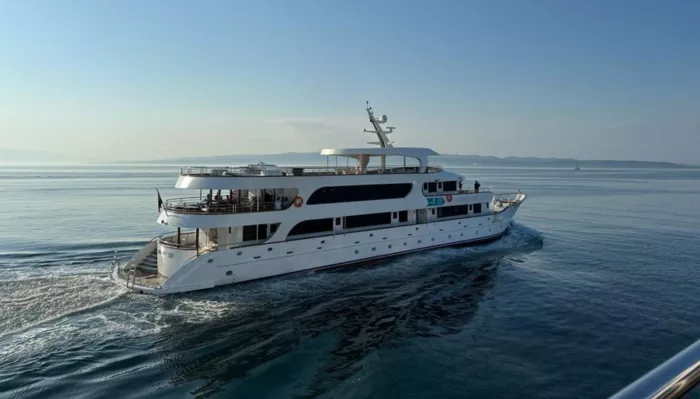
Take the five-star MS Riviera Rose, which made its debut in 2025. It has just 57 cabins, hosting a maximum of 114 guests, creating an intimate atmosphere, with plenty of chances to socialise, but no obligation to do so.
Another thing to note? While ocean cruising typically means sailing overnight, river ships frequently remain moored, which means no rushing back to the ship at five pm. You can enjoy golden hour walks by the water, a port and tonic aperitivo or a fado performance at your leisure, before heading back to what’s essentially a floating boutique hotel.
2. It’s more flexible than you might think

Most experienced travellers would likely wince at the prospect of being bundled from one tourist attraction to the next on a rigid schedule.
While some river lines take that kind of one-size-fits-all approach, Riviera Travel strikes a careful balance: the ability to tailor your holiday, but freedom from the logistical hassle and decision fatigue of planning a multi-step trip yourself.
That begins from the moment you book. You have the choice between an impressive line-up of regional airports, including Edinburgh, Manchester, Birmingham, Dublin, Bristol, Leeds, London and more. You can also opt for a travel concierge, who can organise things like pre- or post-itinerary hotel stays, if you want to customise your journey further.
Once on board, you’ll frequently be greeted with a choice between excursions. For example, on this cruise, you can choose between Mateus Palace, known for its grand 18th-century baroque architecture and French gardens, or a visit to Peso da Régua and its museum dedicated to the wine heritage of the Douro Valley.
3. The viticultural variety beyond port

For wine aficionados, the Douro is perhaps Europe’s worst-kept secret. After all, it’s the world’s oldest delimited wine region, and in the 2,000 years it’s been making the stuff, word has got around.
Of course, the port cellars of Vila Nova de Gaia in Porto are an absolute must, and itineraries like this one include fascinating tours that reveal the frequently surprising history of the fortified wine.
That said, there’s a lot more to a Douro cruise than just port. On visits to quintas, the historic wine estates scattered throughout the valley, you’ll have the chance to see techniques handed down through the generations, including pressing the grapes by foot, while also tasting a startling variety of wines.
From light-bodied vinho verde to crisp espumante and muscatel with butterscotch and fig notes, you’re in for a palate-expanding adventure.
As well as exploring the terraced vineyards surrounding the river, you can indulge in regional varieties on board, thanks to Riviera Travel’s all-inclusive drinks package, which is automatically added to your booking.
4. There’s more to Douro than just grapes

If you fancy something to sop up all that wine, you’ll be delighted to hear that the Douro’s food scene is just as full of revelations.
Most Riviera Travel Douro itineraries begin in Porto, and you’ll find that Portugal’s second city takes first place for culinary exploration.
While its citizens have long been called tripeiros (tripe eaters), today it runs the gourmet gamut, from pioneering takes on petiscos (the Portuguese answer to tapas) to gloriously over-the-top Francesinha – a sandwich stacked with ham, steak, sausage, cheese, fried egg and beer sauce.
Go further inland, and dishes such as polvo à lagareiro (tender roasted octopus served with olive oil and garlic), bolo borrachão (‘drunken cake’ made with almonds and wine) and poultry and game-based alheira sausages await.
For the deepest dive into the Douro’s culinary tradition, Riviera Travel’s Gastronomy of the Douro River Cruise itinerary is worth considering. Highlights include almond delicacies in Castelo Rodrigo, a pastel de nata making demonstration on board and authentic tapas in Salamanca.
That said, on all of Riviera Travel’s itineraries, you’ll be treated to a Chef’s Dinner featuring regional dishes. Plus, on MS Riviera Rose, you’ll also have the chance to dine in the speciality restaurant Rio, which serves up authentic Iberian flavours.
5. The level of cultural cachet

History buffs will find a Douro cruise has far more cultural heft than you might expect, and Riviera Travel’s local guides ensure you know exactly where to look.
In the hilltop town of Lamego, you’ll find Our Lady of Remedies, known for its Rococo façade and a 686-step staircase, where each flight reveals fresh baroque flourishes. Castelo Rodrigo, with its medieval walls and castle ruins overlooking the surrounding countryside, is equally hard to leave behind.
That said, for many guests, the most memorable stop is the UNESCO-listed city of Salamanca, home to an 800-year-old university and some of the most spellbinding architecture in Iberia.
Among its honey-coloured sandstone you’ll find the late Gothic Catedral Nueva, Casa Lis, an Art Nouveau mansion-turned-museum, and the 18th-century Plaza Mayor, lined with medallions depicting Spanish historical figures such as Miguel de Cervantes.
6. Just how welcome solo travellers are

The dreaded solo supplement can make cruising by yourself prohibitively expensive. Riviera Travel has become one of the cruise industry’s biggest champions of solo travel and was even named ‘Best for Solo Travellers’ at the 2025 Wave Awards.
In practice, it makes it easier for those sailing solo in two key ways. It waives solo supplements on select cruises, and this frequently includes Douro River sailings.
It’s also one of the very few cruise lines to offer solo-exclusive sailings where pricing is based on solo occupancy, and you’re accompanied by an expert tour manager hand-selected for their ability to connect with solo travellers.
They’re also on hand to make thoughtful introductions, and when everyone you’re travelling with is in the same boat, chances are you’ll find common ground. That’s particularly true somewhere like the Douro, where you’ll likely find fellow guests share interests such as wine, food and history.
7. It’s more stable than you might expect

It sounds unlikely, given that Portugal and Spain have both experienced periods of extreme weather in recent years. But the Douro is generally considered one of Europe’s more reliable rivers for cruising, thanks in large part to the locks and dams constructed during the second half of the 20th century.
These engineering projects transformed a river once known for its unpredictable conditions into a far more navigable waterway. Today, they help regulate water flow, mitigating the impacts of flooding and droughts and making the Douro less prone to the kind of disruptions that affect many other European rivers.
8. How relaxed it leaves you

It’s hard to imagine that a trip taking you to up to 10 different destinations could leave you feeling anything other than completely exhausted. But somehow, a Douro River cruise with Riviera Travel does exactly the opposite.
A major part of that is the fact that the logistical elements are handled for you. That includes return flights, transfers, meals, excursions and more. If you wish, you can even opt for a door-to-door service, with transport directly from your home in the UK. Plus, the generous number of inclusions bundled into the overall price means you aren’t constantly budgeting in your head, either.
Gone is the cycle of packing and unpacking, of rushing for trains and buses. Instead, you’re free to lounge by the splash pool on the sundeck with a glass of wine in hand, watching the vine-clad hills drift by.
Enjoyed this story?
Choose World of Cruising as a Preferred Source on Google News to keep up to date with our latest articles
Set as preferred source