At a glance
- January to March is peak cruising season for both countries, with summer sunshine, outdoor adventures and vibrant festivals
- January and February are best for cruising Fiordland and the South Island of New Zealand
- April and May are usually the best months to travel if you're looking for a deal
- June to September is winter in the south, but perfect for cruising tropical Queensland and the Great Barrier Reef
Why trust us?
World of Cruising, along with our sister publication Cruise Trade News, has one of the UK’s most experienced teams of cruise journalists and contributors. Our experts have racked up hundreds of nights at sea with most cruise lines. Most weeks, one of our writers will be at sea or on a river. Here, that expertise informs our advice on the best time to cruise Australia and New Zealand.

Cruising Australia and New Zealand
Located in the South Pacific, Australia and New Zealand are often paired in cruise itineraries – but not always.
Australia, the world’s sixth-largest country, stretches from the tropics of the Top End to the vineyards of South Australia and the beaches of New South Wales.
New Zealand, a little smaller than the UK, is packed with dramatic Lord of the Rings scenery – glaciers, fjords, geothermal valleys and rainforests – spread across its North and South Islands.
Cruises between the two typically kick off in Sydney, Melbourne or Auckland, with trans-Tasman routes covering both countries usually in 10 to 20 days. Others focus solely on Australia’s east coast or New Zealand’s highlights. Longer itineraries may include Tasmania, Papua New Guinea or even circumnavigate the entire Australian continent.
Australia’s Kimberley region is also a popular destination for expedition cruises.
Top cruise ports: Sydney, Melbourne, Brisbane, Cairns, Hobart (Australia); Auckland, Wellington, Napier, Dunedin, Milford Sound (New Zealand)
Best months for sun and sea
When to go: January to March

For beach lovers and sunshine seekers, summer in the Southern Hemisphere is the time to go. From January to March, both Australia and New Zealand are in their warmest, brightest season – ideal for outdoor adventures, lazy beach days and scenic cruising. This is also when you’ll find the most sailings.
In Australia, this means swimming and snorkelling on the Gold Coast, sipping cocktails by the Sydney Opera House or exploring Tasmania’s pink-granite bays in Freycinet National Park. Expect highs of 26–30°C in Sydney and Brisbane, though inland and northern regions often hit 35°C+. Queensland’s beaches are jaw-droppingly gorgeous, but the wet season brings occasional tropical storms, so plan accordingly.
Across the Tasman Sea, New Zealand really comes into its own in summer. The North Island is all about volcanic beaches, Māori culture and geothermal parks, while the South Island delivers snowy peaks, glittering lakes and glacier-fed fjords. January and February are especially good for cruising Fiordland, where long daylight hours and mild weather allow for unforgettable scenic sail-bys in places like Milford Sound.
Summer is also festival season in both countries. Think open-air concerts, Australia Day fireworks, wine and food events in Marlborough and the buzzing New Zealand Summer Concert Tour.
Top tip: A few sailings are timed to depart in late December to coincide with New Year’s Eve in Sydney, a bucket-list moment, with fireworks over its extraordinarily easy-on-the-eye harbour. But book early – both cruises and city hotels sell out months in advance.
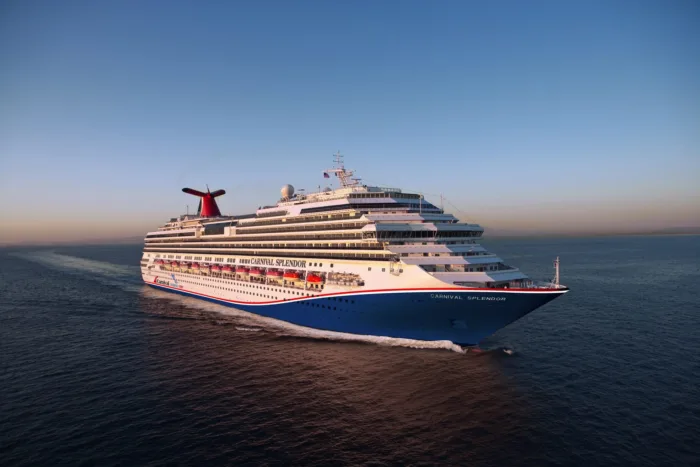
Who to sail with: Royal Caribbean and Carnival Cruise Line offer sun-soaked itineraries for families, while Holland America Line and Princess Cruises feature scenic summer cruises combining Australia and New Zealand highlights.
Best months for fjords, nature and the South Island
When to go: January and February

If you’re dreaming of snow-dusted peaks, fjord landscapes and mirror-like lakes, this is your window. New Zealand’s South Island is at its most inviting in mid-summer – with warm days, low rainfall and long evenings perfect for dramatic sail-ins and outdoor exploration.
Cruising Fiordland National Park is a highlight: ships glide past cascading waterfalls, sheer cliffs and inky water in Milford Sound, Doubtful Sound and Dusky Sound. While these areas are always moody and atmospheric, January and February offer the clearest skies and best light for photography.
This is also a prime time for wildlife. You might spot dolphins riding the ship’s wake, albatross near Dunedin or little blue penguins making their way ashore. Inland, excursions include vineyard tours in Central Otago, hikes through the Remarkables, or scenic rail journeys into glacier country.
Australia’s cooler southern states – Victoria, South Australia and Tasmania – also shine at this time, with harvest-season flavours and comfortable weather for sightseeing.
Top tip: Bring binoculars and a waterproof jacket – even in peak season, the weather in Fiordland can change rapidly.
Who to sail with: Celebrity Cruises offers premium enrichment-focused itineraries around the South Island. Ponant and Silversea include smaller ports like Akaroa and Stewart Island, with expert-led excursions.
Best months for shoulder-season value
When to go: April and May

As summer fades and the Southern Hemisphere enters autumn, Australia and New Zealand shift into a slower, more golden season. This time also marks the end of the cruise season, with many lines repositioning their ships away from Australasia and prices dropping.
April and May are also ideal for foodies, nature lovers and photographers – with crisp mornings, changing leaves and a quieter vibe in most ports.
In Australia, wildlife activity is high – think whale sharks swimming in deep blue waters, kangaroos grazing in open fields, koalas emerging in eucalyptus forests, and migratory birds flocking to coastal wetlands. Tasmania’s turning foliage offers a scenic backdrop for wine tastings in the Tamar Valley or walks in Mount Field National Park.
New Zealand’s Central Otago and Hawke’s Bay regions also reflect this shift, with golden vineyards and clear blue skies. Harvest festivals, farmers’ markets and wine trails make this a perfect time for pairing shore excursions with regional cuisine. The cooler air also makes longer hikes and active adventures more pleasant – without the summer crowds.
Who to sail with:Norwegian Cruise Line has a range of competitively prices sailings covering Australia and New Zealand during the shoulder season.
Best months for the Great Barrier Reef and the Kimberley region
When to go: May to September

Between June and September, the dry season brings blue skies, low humidity and calm seas – ideal for exploring the Great Barrier Reef and the Kimberley region.
Departing from Brisbane (a fun, all-too-often overlooked city) or Sydney, reef cruises offer access to snorkelling hotspots, where visibility is highest during the Austral winter. Inland, this is the best time for wildlife encounters – saltwater crocs, rainforest birds, and tropical butterflies are all active in the dry season.
Further north, Darwin becomes a launchpad for Kimberley expeditions and Aboriginal cultural tours. Winter is also the safest time to visit tropical areas – cyclone season ends in April, and marine stingers are largely absent from swimming beaches.
Top tip: If you're planning to snorkel or dive, book a cruise with onboard marine biologists or dedicated reef excursions – the reef is fragile, and guided tours ensure a better experience.
Who to sail with:Carnival Cruise Line offers a range of sailings that include the Great Barrier Reef. Ultra-luxury and expedition lines like Ponant, Seabourn and Silversea operate sailings, mostly to the Kimberley region.
Best months for extended itineraries
When to go: April-May and September-October

Since most cruise lines only operate ships during the Austral summer, Australia and New Zealand see the arrivals and departures of a host of ships at the beginning and end of every season. The two countries are also stops on many world cruises.
This means there are many opportunities to cruise the region as part of extended itineraries that cover other parts of the world, such as Asia, the South Pacific, Hawaii or the West Coast of the USA.
Repositioning sailings often come with lower per-night rates, making them great if you like a deal. But be aware that, because Australia and New Zealand are so remote, repositioning cruises are often more than 20 nights long. So, while you may pay less per night, the total price for the cruise may still be high because of the duration.
Top tip: If you’re really interested in an Australia and New Zealand cruise, consider whether a repositioning is best for you. Most sailings will only have one Australian port in their itineraries (most of the time, Sydney) and none in New Zealand. These are more suited to cruisers interested in extending their holiday on land before or after their voyage.
Who to sail with:Celebrity Cruises’ repositioning of Celebrity Edge in October 2026 is probably the most interesting voyage currently available. Departing from Honolulu (Hawaii), you’ll sail to French Polynesia (Moorea, Raiatea and Papeete), New Zealand (Tauranga and Bay of Islands), before arriving in Sydney.
Enjoyed this story?
Choose World of Cruising as a Preferred Source on Google News to keep up to date with our latest articles
Set as preferred source