At a glance
- June through August is peak season, with hot, dry weather and good conditions for island-hopping and beach days – your classic Greek islands cruise
- May and September are perfect for sightseeing, with fewer tourists and mild breezes
- April and October offer excellent shoulder-season value with cooler temps and quieter ports
- September and early October are ideal for food lovers, with grape harvests across the region
- December through March is off-season, but winter cruises to Athens and Istanbul still hold cultural appeal
Why trust us?
World of Cruising, along with our sister publication, Cruise Trade News, has one of the UK’s most experienced teams of cruise journalists and contributors. Our experts have racked up hundreds of nights at sea with most cruise lines. Most weeks, one of our writers will be at sea or on a river. Here, that expertise informs our advice on the best time to cruise the Aegean Sea.
Where is the Aegean Sea?

The Aegean Sea is a northeastern arm of the Mediterranean, specifically that blessed part tucked between mainland Greece and the west coast of Turkey. While the Aegean is geographically linked to the Ionian via the Corinth Canal, larger cruise ships rarely use this narrow route.
Most Aegean itineraries focus entirely on the eastern Mediterranean – from the Cyclades to the Turkish coast. Dotted with over a thousand islands – from the Cyclades and Dodecanese to the North Aegean cluster – this region blends ancient history with sun-drenched sailing routes, charming whitewashed villages, and the bluest bays you ever set eyes on.
Top cruise ports: Athens (Piraeus), Thessaloniki, Crete (Heraklion and Souda), Rhodes, Mykonos, Santorini (Thira), Patmos, Milos, Samos, Syros, Paros and Kos in Greece; and Kusadasi, Bodrum and Izmir in Turkey.
Best months for sun and sea

When to go: June, July and August
If you’re dreaming of sun-drenched beach days, island-hopping between idyllic ports and swimming in warm, crystal-clear waters, summer is the best time to cruise the Aegean Sea. From Greece’s Cyclades and Dodecanese to Turkey’s Bodrum Peninsula, this region comes into its own in high season – with shimmering seas, golden light and long, lazy afternoons in harbour cafés.
Expect up to 14 hours of sunshine a day and consistently warm weather, with average highs in the high-20s to mid-30s. Rainfall is rare during these months, especially in the Cyclades, where cloudless skies are almost guaranteed. The sea is at its warmest too – ideal for swimming, snorkelling and paddleboarding.
While Mykonos and Santorini attract much of the attention, savvy cruisers are increasingly seeking out rising stars like Milos, Paros and Naxos – known for their beautiful beaches, relaxed charm and growing popularity on late-season itineraries. Even quieter islands like Syros, Amorgos and Astypalea are starting to feature on boutique small-ship routes. The Turkish coast, meanwhile, offers relaxed seaside towns like Çeşme and Alaçatı, with their Ottoman-era houses and laid-back charm.
Summer is also festival season. The Naxos Festival brings live music and theatre to a Venetian-era estate, while the Aegean Festival in Syros pairs classical performances with ancient backdrops. Local tavernas buzz late into the night, serving grilled fish, tomato fritters and ouzo by the sea.
Top tip: The meltemi – a strong northerly wind – can blow through the Aegean in July and August, occasionally affecting ferries or tender boats. If you’re extending your trip pre- or post-cruise, build in some buffer time and check schedules carefully.
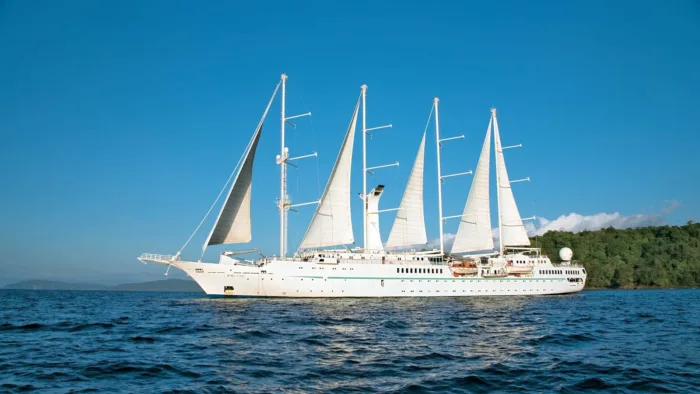
Who to sail with: Popular islands are at their busiest in high season. To avoid the crowds, opt for a small-ship line like Windstar Cruises or Silversea, which offer access to smaller ports and quieter anchorages beyond the big-name destinations.
Best months for foodies and wine lovers

When to go: September or October
For food lovers and wine enthusiasts, autumn is the most rewarding time to cruise the Aegean Sea. As summer crowds fade and the harvest begins, the region reveals its most generous side – with ripened grapes, freshly pressed olive oil and tables heaving with meze, seafood and freshly baked breads.
September is grape harvest season across the Greek islands, with family-owned vineyards producing crisp Assyrtiko in Santorini, fragrant Moschofilero in the Peloponnese and bold reds like Agiorgitiko near Nemea. Many estates welcome visitors for tastings, often paired with traditional meze or homemade spoon sweets.
Olive harvesting starts in late October in places like Lesbos and Crete – both famed for producing some of the world’s finest extra virgin oils. In the Cyclades, figs and quinces ripen, while in the Dodecanese, it’s peak season for fresh seafood and hearty dishes like moussaka and slow-cooked lamb.
Across the Aegean, food festivals celebrate the season. In September, the island of Sifnos hosts the Cycladic Gastronomy Festival, while Mykonos holds an annual Harvest Festival. Even in Athens, the city’s markets brim with autumn produce, from mushrooms and chestnuts to glistening pomegranates.
Top tip: By late October, some beach bars and waterfront tavernas may close for the season, especially on smaller islands. But many family-run eateries stay open well into autumn – often catering more to locals than tourists – making it a great time to experience authentic flavours and warm hospitality without the crowds.
Who to sail with: Oceania Cruises is a top choice for gourmets, with its culinary discovery tours and onboard cooking classes. Seabourn is another top choice for travellers looking to discover the culinary treasures of the Aegean, including excellent Mediterranean fare onboard and chef-guided visits to markets.
Best months for sightseeing and hiking

When to go: April, May and October
If you’re planning to explore the Aegean on foot or tick off its iconic ancient landmarks, spring and autumn are the best times to cruise. April, May and October strike a sweet spot between the extreme heat of summer and the unpredictable weather of winter, offering pleasant conditions for walking, exploring and absorbing the region’s rich cultural heritage.
In Greece, these months bring relatively mild temperatures – usually between 20C and 26C – and lower humidity, making it far more comfortable to hike the hills of Santorini, stroll through the old town of Rhodes or climb to the monasteries of Patmos. Archaeological sites like the Acropolis in Athens and the ruins of Ephesus in Turkey are much more enjoyable to visit without the glare and queues of high summer.
Wildflowers bloom across the Greek islands in April and May, and hiking trails on Crete, Samos and Naxos are carpeted in colour. In October, the air is softer, the sea is still warm enough for a post-hike swim, and the crowds have thinned considerably.
These are also ideal months for culinary walking tours, vineyard strolls or photography trips that combine landscape, architecture and local life, all at a gentler pace.
Top tip: If you’re hoping to hike Samaria Gorge in Crete, May to early October is the best window. The trail is closed in winter and early spring due to water levels, so check ahead if it's on your list.
Who to sail with: Variety Cruises offers small-ship itineraries to less-touristed ports like Syros and Amorgos, which are ideal for walkers. For cultural depth and guided excursions to UNESCO sites, try Viking, which features shore programmes designed for active travellers.
Best months for festivities

When to go: December, January, February and March
November through March is officially low season in the Aegean, and most cruise lines reposition their fleets elsewhere during this time. However, a handful of winter sailings do take place, offering a rare, crowd-free way to explore Greece and Turkey during festival season.
Christmas in Greece is a magical time. You’ll see boats decorated with lights: a nautical nod to St Nicholas, the patron saint of sailors. Athens and Thessaloniki sparkle with festive displays, while island villages host traditional carol singing (kalanda), and bakeries brim with honey-drenched melomakarona and kourabiedes.
New Year’s Eve is widely celebrated with fireworks, feasts and vasilopita – a sweet bread baked with a lucky coin inside. Over in Turkey, cities like Izmir also put on vibrant New Year events, blending modern festivities with local flavour.
Come February or March, depending on the year, Carnival season erupts in colour and sound. Islands like Skyros and Naxos celebrate with traditional masked dances and ritual performances rooted in ancient Dionysian festivals.
Top tip: Winter weather in the Aegean is mild but changeable. Expect cool temperatures and the occasional downpour – so pack layers and waterproofs, but don’t let the grey skies put you off. You’ll have historic sites and lively town squares practically to yourself.
Who to sail with:Azamara is one of the few lines that runs off-season itineraries in the Aegean, focused on cultural immersion rather than beach weather. Availability is limited and pricing can be high due to the rarity, but for those seeking something different, it’s a unique way to explore cities like Athens and Istanbul without the crowds.
Best months for cruising on a budget

When to go: April, October and November
If you're looking to cruise the Aegean without splashing out, shoulder season sailings in spring and autumn offer some of the best value anywhere in the Mediterranean. With lower prices, fewer crowds and still-pleasant weather, these transitional months are ideal for cost-conscious travellers who still want a memorable experience.
Temperatures in April and October usually hover between 18C and 24C, particularly in the southern islands such as Crete, Rhodes and Kos. These regions often stay warmer for longer than their northern counterparts, with sea breezes keeping things fresh. November is cooler and a little wetter but still offers bright days and plenty of cultural interest.
By October, the Aegean Sea is still warm from months of sunshine – perfect for a dip, especially in shallow bays. In spring, while the water is cooler, the landscape bursts into colour. Wild herbs and flowers cover the hillsides, and local life begins to stir again after the quiet winter months.
You’ll also find fewer queues at ancient sites like the Acropolis or Ephesus, and restaurants in popular islands such as Mykonos, Paros or Samos are more relaxed and affordable outside the high season. In Turkish ports like Bodrum and Kuşadasi, bazaars are less crowded and prices are more negotiable.
Top tip: Orthodox Easter (usually April) is a standout time to cruise, with processions and traditional feasts – but prices may briefly spike, so plan accordingly. Otherwise, shoulder season offers some of the best cruise-and-stay combo opportunities for those wanting to extend their trip affordably.
Who to sail with: Celestyal Cruises runs shorter, wallet-friendly Greek island itineraries in both spring and autumn – perfect for first-time cruisers or those short on time. MSC Cruises and Norwegian Cruise Line also offer exceptional Aegean routes at this time of year, often combining Greece and Turkey with enticing fares. The best deals are typically found by booking well in advance or keeping an eye on late-season flash sales.
What to read before booking your Aegean cruise:
Enjoyed this story?
Choose World of Cruising as a Preferred Source on Google News to keep up to date with our latest articles
Set as preferred source