Compare & book Luxury cruising(5,141)


What is luxury cruising?
Put simply, luxury cruise lines deliver a more upscale experience at sea than mainstream operators. That usually means ships with a higher space-to-passenger ratio, well-appointed staterooms, attentive, personalised service and fine dining venues.
Itineraries also tend to be expertly curated, with a mix of marquee and boutique ports, and more time spent on shore.
Beyond that, there are few hard-and-fast rules about what makes a cruise truly ‘luxury’. The category is broad, and different lines take different approaches. Ultimately, luxury cruising is less about a fixed checklist and more about an overall experience that feels elevated, seamless and consistently well-executed from start to finish.
What are the best luxury cruise lines?
The reality is that to be considered ‘luxury’ in the first place, a cruise line must meet high standards across the board, with top-tier amenities, well-designed cabins and elevated dining. Once that baseline is in place, choosing the ‘best’ option becomes more about what suits your travel style.
Foodies, for instance, may gravitate towards Oceania Cruises, which is known for culinary excellence, thanks to its master chefs and state-of-the-art galleys. Azamara Cruises, meanwhile, is widely recognised for its focus on destination immersion.
Regional expertise can also be a deciding factor. Holland America Line has been sailing Alaska since before it was a US state, while Princess Cruises is a top choice for cruising Japan.
There’s also a strong selection of luxury river cruise operators to choose from, such as Riviera Travel,Saga and Viking.
See the best ultra-luxury cruise lineshere.


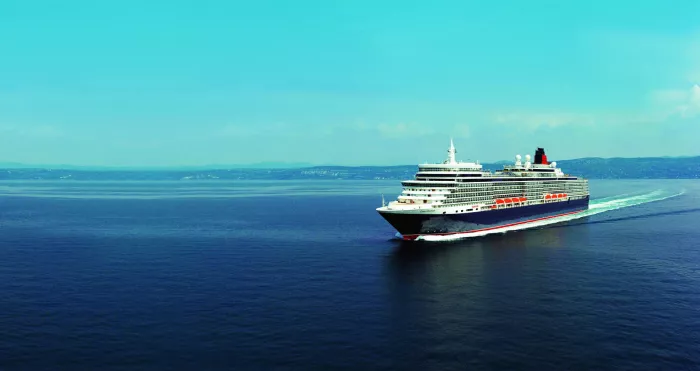


What are the best luxury cruise destinations?
Luxury cruise lines sail all corners of the globe, from the Aegean Sea to the Indian Ocean. Depending on the line, that can mean sun-drenched holidays in the South Pacific, expeditions to Antarctica and Patagonia, or river cruises along the Danube or Nile.
What many luxury cruise itineraries have in common is a destination-led approach, with longer port calls, more time ashore and, in some cases, overnight stays. Routes also tend to balance marquee destinations with less frequently visited ports, so you can check off must-see landmarks and discover hidden gems in a single voyage.
For instance, in the Caribbean, that might mean combining the bustling port of Bridgetown in Barbados with the tiny, jewel-like island of St Barths.
Moreover, as you might expect from a luxury cruise itinerary, destinations favoured by the jet set frequently feature. Think the Amalfi Coast, French Riviera, Greek Islands, Dubai, Miami and French Polynesia.

Caribbean Cruises

Mexico Cruises

Australia Cruises

Greece Cruises

Pacific Islands Cruises

Amalfi Coast Cruises

Nile River cruises

Cruises from/to Cannes

Cruises from/to Tokyo

Norway Cruises

Cruises from/to Rio de Janeiro

Cruises from/to Mykonos

Cruises from/to Portofino

Cruises from/to Cape Town

Cruises from/to Capri

Cruises from/to Stavanger

Greenland Cruises
FAQs
What’s included on a luxury cruise?
Typically, as a minimum, you can expect accommodation in a suitably luxurious stateroom, toiletries, full board (though not necessarily at every speciality restaurant), entertainment, access to onboard amenities and port taxes to be covered by your fare.
Beyond that, inclusions vary significantly between cruise lines, particularly when it comes to elements like flights, shore excursions, alcoholic beverages, speciality dining, Wi-Fi plans, gratuities and laundry services.
Some cruise lines bundle a generous selection of extra perks into the sticker price. For instance, Viking includes return flights, complimentary shore excursions in every port, free Wi-Fi, drinks with meals and more, while Saga offers added benefits such as travel insurance, a nationwide chauffeur service and group tourist visas, where required.
Others operate on a more à la carte basis, allowing you to choose the benefits that suit you most, without paying for the ones that don’t. Oceania Cruises, for instance, allows you to pick either wine and beer with lunch and dinner or a generous shore excursion credit.
Select lines also have a tiered pricing system. Windstar Cruises has an all-inclusive fare as well as a cruise-only option, giving guests the flexibility to decide what works best for them.
How expensive are luxury cruises?
The honest answer is this can vary widely. On the lower end of the scale, you can find fares starting under £700 per person, particularly if you select a short sailing, book early or snag a last-minute deal.
At the other end, longer cruises on luxury cruise lines can cost tens of thousands of pounds, especially once you factor in higher suite categories and additional extras like drinks packages. It’s certainly possible to spend upwards of £80,000 on a luxury world cruise.
Between those extremes, there’s a broad spread of price points, meaning luxury cruising is possible on a surprisingly wide range of budgets.
What’s the difference between a luxury and an ultra-luxury cruise?
The reality is, there isn’t a hard-and-fast boundary between the two, but there tend to be a few notable differences. Crucially, ultra-luxury cruises tend to operate on an all-inclusive basis, extending to lavish perks like personal butlers, endless champagne and caviar on demand. The price tag can also be significantly higher when you’re looking at the very top of the market.
All things said, there are some advantages to taking a luxury cruise over an ultra-luxury one: the more à la carte pricing structure means you can invest in the packages that matter most to you and avoid paying a premium for things that aren’t your priority.
How long are luxury cruises?
They can vary wildly. If you’re low on time, you can find mini cruises from luxury lines that are just two to four nights.
On the other end of the spectrum, there are luxury world cruises, which are long-haul sailings that visit multiple continents over several months.
There are plenty of options between those two extremes, including a strong selection of week- and two-week-long voyages.
What’s the dress code on a luxury cruise?
Dress codes aboard luxury cruise ships are often similar to those in luxury and boutique hotels. Many encourage casual, resort-style wear in the day, with few guidelines apart from discouraging swimwear in public spaces and restaurants.
As for evenings, smart casual is the norm, apart from gala evenings that may require gowns, tuxes or other formal wear.
That said, every cruise line has its own quirks, so refer to their specific guidelines before packing your bag.
Are children allowed on luxury cruises?
Different cruise lines take significantly different approaches. You’ll find some lines are adults-only, such as Viking, which exclusively welcomes guests aged 18 and over.
Others do accommodate children but have strict age limits. For instance, Windstar Cruises welcomes children so long as they’re aged eight or above.
Some luxury lines welcome children of all ages but are oriented towards adults. Oceania Cruises, which permits infants above six months old (or 12 months, depending on the number of consecutive sea days), does not have kids’ clubs or specific amenities geared towards families.
Then there are the luxury cruise lines that are fully family-friendly. When sailing with Princess Cruises, Celebrity Cruises or Cunard, for example, expect family staterooms, children’s menus and kids’ clubs for a variety of ages.